
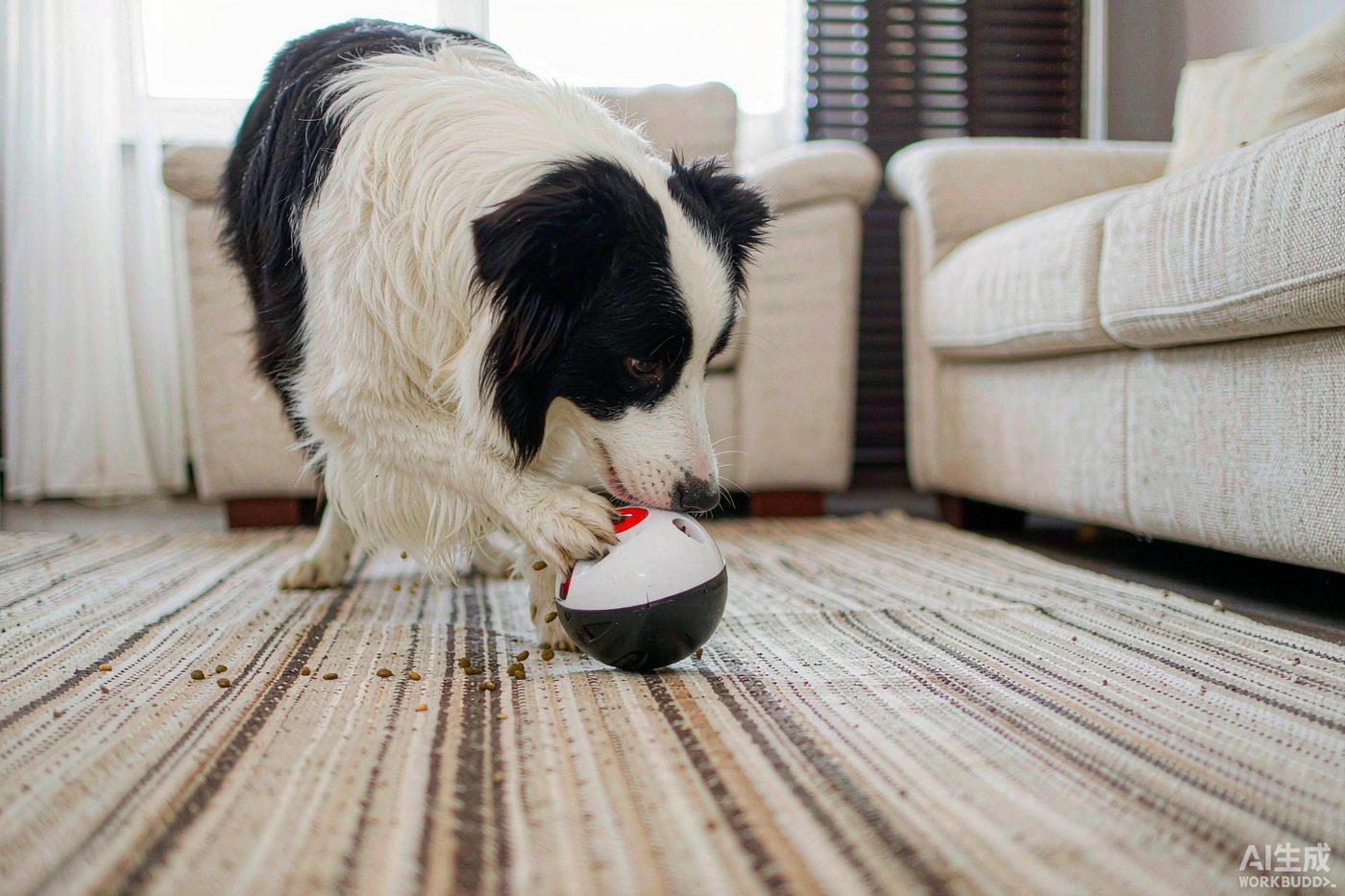
A dog bowl is one of those purchases that seems trivial until you’ve bought three in a year. Cracked plastic, chipped ceramic, a stainless bowl that slides across the kitchen like it’s on ice — the material you choose determines almost everything about how the bowl behaves. Here’s how to choose once, and stop thinking about it.
The case for stainless steel (it’s strong)
Stainless steel is what most veterinary clinics use, and for good reasons:
- Non-porous: bacteria have nowhere to hide, which matters for dogs with sensitive stomachs or acne-prone chins.
- Dishwasher-safe at any temperature and survives being dropped, chewed, and stepped on.
- No smell retention, unlike plastic, which eventually picks up a permanent dog-food odor.
The catch: cheap stainless bowls slide. Look for a silicone or rubber non-slip base — it’s the single feature that separates a usable bowl from a kitchen-puck.
Ceramic: beautiful, but know the trade-off
Ceramic bowls are heavy (great for slide-happy eaters), genuinely stylish, and glaze is easy to clean. Two caveats:
- Only buy lead-free, food-safe glaze from a manufacturer that states it. Decorative, non-food-grade ceramics have no place in a dog’s diet.
- Chips happen. Once chipped, a ceramic bowl is done — the crack harbors bacteria and the edge can cut a tongue. Ceramic is best for calm, adult dogs in households without toddlers who treat everything as a drum.
Plastic: cheap, light, and usually wrong
Plastic bowls are inexpensive and unbreakable, but they scratch easily, and scratches are bacterial condos. Long-term plastic use is also associated with canine chin acne in some dogs — the roughened surface irritates the skin while they eat. If you need plastic (travel, crate, puppy proofing), plan to replace it every few months, and choose a BPA-free, food-grade option.
Size and shape rules that matter more than brand
- Diameter: the bowl should be wider than your dog’s snout is long, with a couple of fingers of clearance on each side.
- Depth: deep bowls suit long-nosed breeds; shallow bowls suit flat-faced breeds.
- Height: for large or senior dogs, an elevated stand reduces neck strain — though if your deep-chested breed is prone to bloat, discuss elevation with your vet first, since research on elevation and bloat has gone back and forth.
- Count: one bowl for water, one for food — washing between meals is easier with two.
Stainless Steel Dog Bowl (non-slip base)
Our default recommendation for most dogs: non-porous, dishwasher-safe, chew-proof, and stable on tile.
Quick comparison
| Stainless | Ceramic | Plastic | |
|---|---|---|---|
| Durability | Excellent | Breakable | Scratches |
| Hygiene | Excellent | Excellent until chipped | Fair |
| Slide resistance | Needs rubber base | Heavy — good | Good |
| Best for | Most dogs | Calm adult dogs | Travel & short-term |
FAQ
How often should I wash the food bowl?
Warm soapy water after every meal if your dog eats wet food; daily for kibble. Water bowls get slime biofilm within days — wash every two to three days minimum.
Are elevated feeders better?
They help large seniors and dogs with neck or joint pain. For deep-chested breeds prone to bloat, ask your vet — the evidence on elevation isn't settled.
Why does my dog's water bowl get slimy?
That's biofilm — a mix of mouth bacteria and proteins from saliva. It's normal, harmless in small amounts, and the reason water bowls need real washing, not just refilling.
Bottom line: for most dogs, a stainless steel bowl with a bonded non-slip base is the buy-it-once choice. Add ceramic if you want one for the hallway, and keep plastic for the car. If your dog’s problem is speed rather than hardware, our slow feeder review covers that next.