
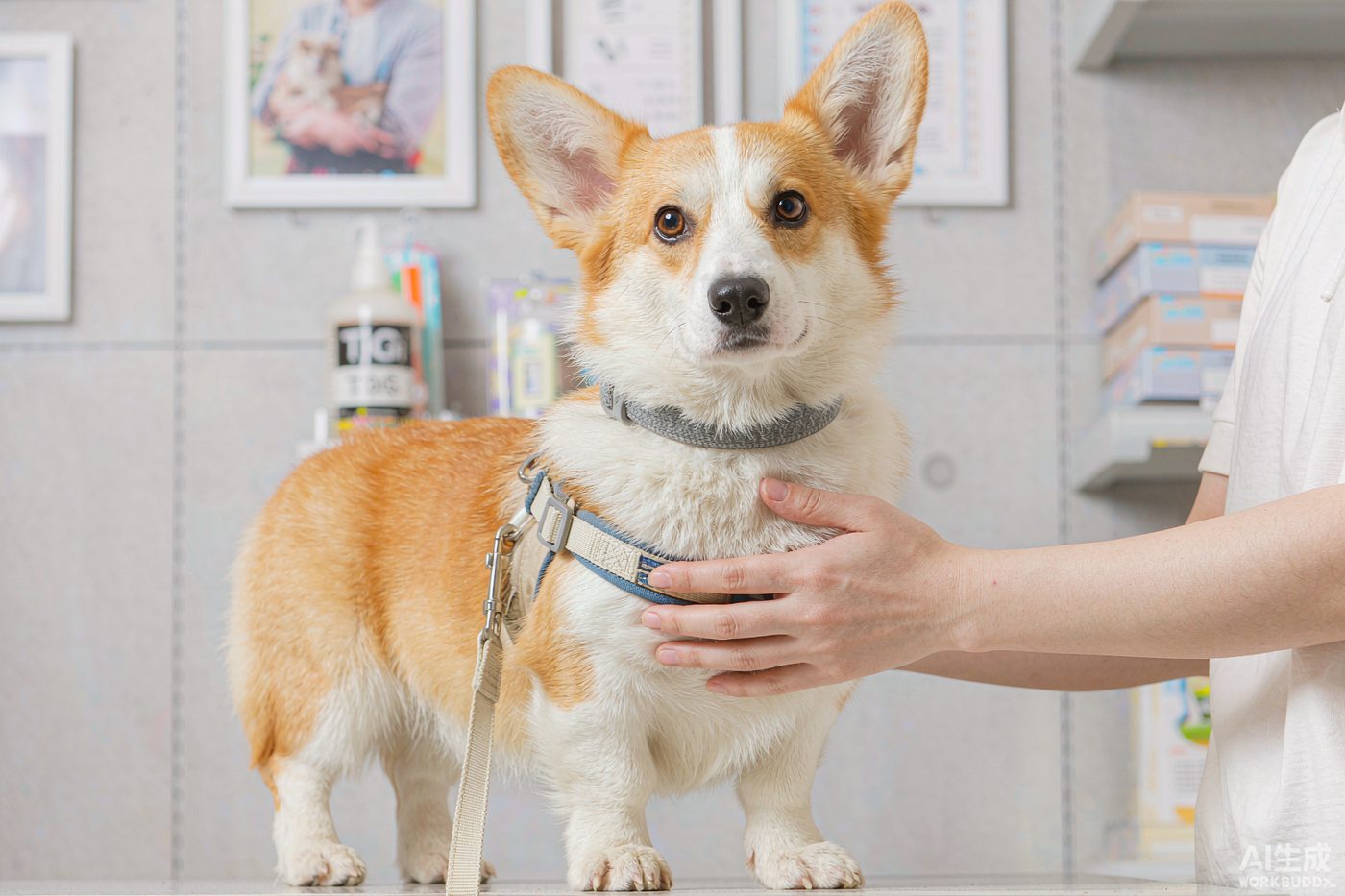
Ask ten dog people “collar or harness?” and you’ll get eleven confident answers. The honest response is that both have jobs, and the mistake most owners make is using one tool for both jobs. Here’s the comparison without the ideology.
What each one is actually good at
The flat collar is an ID carrier first and a walking tool second. Its job is to hold tags and license — visible, legible, instantly accessible to whoever finds your dog at 11 p.m. It’s also fine for leash walking with a dog who already walks politely.
The harness distributes pressure across the chest and shoulders instead of the throat, gives you a grab handle on most designs, and — in front-clip form — makes pulling self-correcting. See our no-pull harness guide for the fitting details.
| Flat collar | Harness | |
|---|---|---|
| ID / tags, 24/7 wear | ✅ Purpose-built | ❌ Not worn at home |
| Pressure on throat when pulling | High — trachea and neck | Low — chest & shoulders |
| Pulling control | Poor (reward vs. choke trade-off) | Good, especially front-clip |
| Instant physical control | Limited | Top handle on most models |
| Small dog, fainting risks | Risky under pressure | Safer choice |
| Brachycephalic (pug, Frenchie, bulldog) | Risky — airway is fragile | Strongly preferred |
| Escaping | Head-shaped dogs back out | Escape-resistant designs exist |
| Running / hands-free | Not recommended | Required, really |
The veterinary angle
This is where the comparison stops being a preference debate:
- Tracheal collapse is a real risk for small breeds who pull against collars — the honking cough after a hard pull is the tell. Harnesses are the standard recommendation for small breeds on leash.
- Brachycephalic airway syndrome makes any throat pressure a bad idea for flat-faced breeds.
- Cervical pain from sustained leash pressure affects larger pullers too — “collar fits” are a recognized pattern in veterinary chiropractic discussions.
None of this makes collars dangerous for a dog who doesn’t pull. It makes them the wrong tool for one who does.
The answer for most dogs: both
The setup that works for the overwhelming majority of owners:
- A flat collar, worn at all times, with an ID tag and contact number. No leash attached — it’s an ID card, not a steering wheel.
- A well-fitted harness for on-leash time. Clip the leash to it, walk, run, train.
This covers the 11 p.m. escape scenario (collar with tags), the pulling scenario (harness), and keeps the collar comfortably loose enough that it never becomes a health issue.
Flat Dog Collar (with ID tag)
The 24/7 ID carrier every dog should wear — measure neck, add two fingers of room.
FAQ
Can I just clip the leash to both collar and harness?
You'll need a double-ended leash and the patience to manage tangles. It works for some strong-dog handlers as a backup system, but a single harness attachment is cleaner for everyday walks.
Are martingale / limited-slip collars a compromise?
They prevent escape on sighthounds and narrow-headed breeds without full choke action — a legitimate middle ground for escape artists. They're still throat pressure when the dog pulls, so they don't replace a harness for pullers.
My dog hates the harness. Now what?
Lure the head through with food a few times a day for a week without going anywhere. Put it on, feed dinner, take it off. Harness = good things, then walks. Most objectors convert within a week or two.
Short version: collar for ID, harness for physics. If walks still feel like arm wrestling after the harness, the hands-free leash adds shock absorption while you retrain the pull itself.