
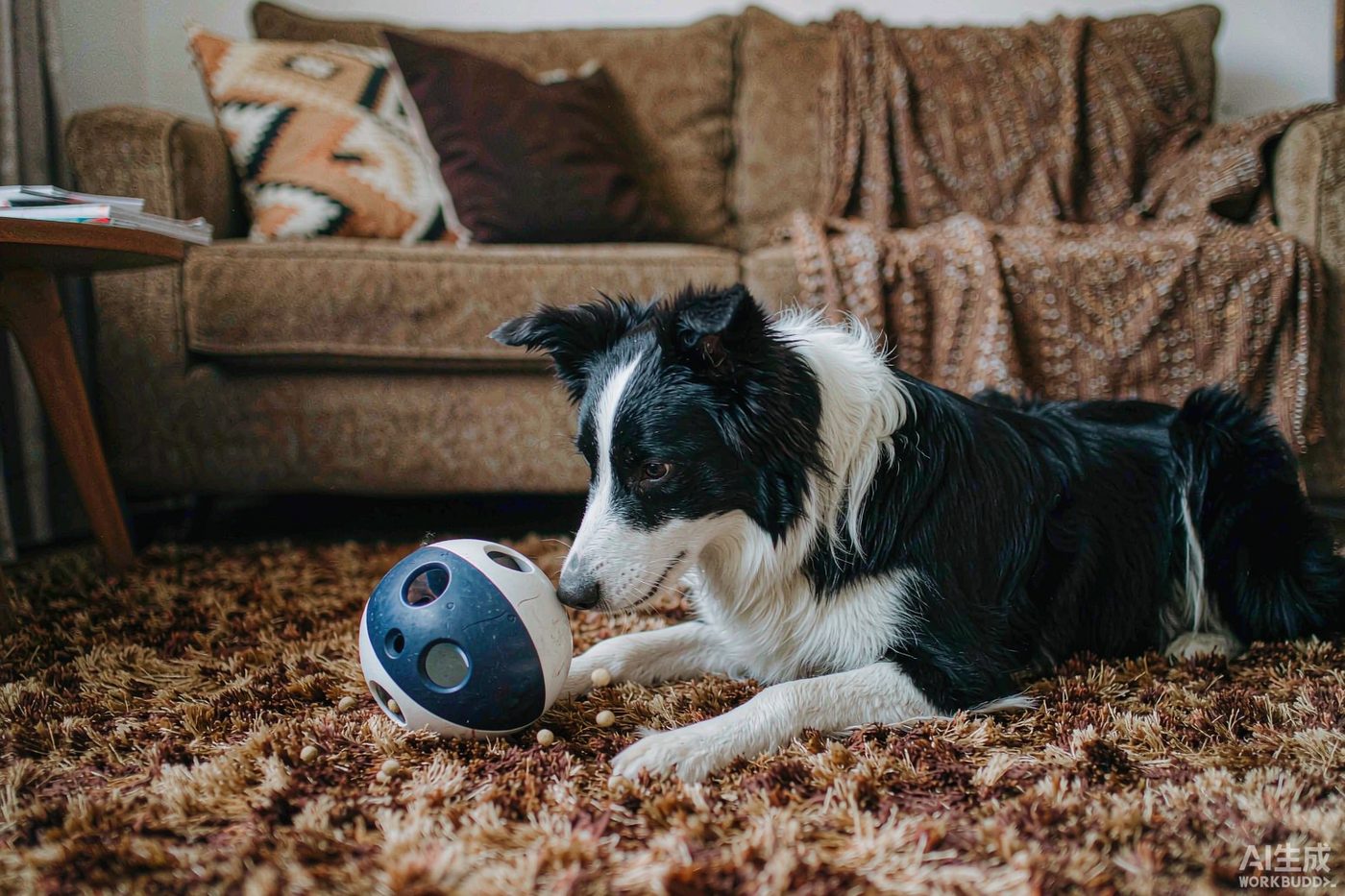
Every dog owner has that moment: you’re on a video call, the dog is bored, and the only entertainment on offer is your shoelaces. A good treat-dispensing toy buys you twenty minutes of genuine occupation — but the difference between a toy your dog solves in ninety seconds and one that actually tires them out comes down to matching the difficulty to the dog.
Why they work
Treat dispensers turn food into a problem. Instead of a bowl, the dog gets a puzzle with a paycheck. That does two things: it slows eating (see our slow feeder article for why that matters) and it adds mental exercise, which for many dogs is more tiring than a walk around the block. Ten minutes of problem-solving can leave a dog as satisfied as half an hour of fetch.
The three difficulty families
1. Rollers and wobble balls (easy). Kibble falls out as the toy rolls or tips. Almost every dog “gets it” immediately. Best for puppies, seniors, and first-time puzzle users — and for feeding a whole meal when you need to leave the house for an hour.
2. Adjustable dispensers (medium). An aperture you can widen or narrow changes how much effort each piece of food takes. This is the sweet spot for most dogs: you can start easy and tighten the difficulty as your dog gets faster. Look for ones where the adjustment actually stays put — owner feedback frequently mentions adjustment dials that rattle loose.
3. Complex puzzle feeders (hard). Sliding panels, flip lids, spinning compartments. Brilliant for clever breeds (border collies, poodles, shepherds), overwhelming for others. Start these on “open” mode with treats visible, and only introduce mechanics gradually.
Safety rules that come before fun
- Size appropriately. The toy should be large enough that it can’t fit entirely in the dog’s mouth. This is the #1 safety consideration with any food toy.
- Supervise new toys the first few times — power chewers can crack brittle plastic. Natural rubber holds up best (see our rubber chew toy comparison).
- Count the calories. If the dispenser holds treats, subtract them from dinner. Enrichment that quietly adds 300 kcal a day is how “busy toys” become “vet diets.”
- No string, no glue, no small parts. Inspect seams before every use, and retire the toy at the first crack.
Treat-Dispensing Toy (adjustable difficulty)
An adjustable aperture lets the toy grow with your dog — start wide open, tighten over weeks.
Using them around your schedule
The practical pattern that works for most people:
- Breakfast in a roller while you shower and get dressed.
- A stuffed rubber toy (frozen) during your hardest-to-interrupt hour — freeze it overnight with soaked kibble or plain yogurt and it lasts dramatically longer.
- A hard puzzle for the wind-down hour before bed. Mental work invites sleep just like a training session does.
Pros and cons of the category
Why owners swear by them
- Genuine mental fatigue, not just distraction
- Slows fast eaters
- Redirects chewing energy to an approved target
- Adjustable versions stay useful for years
Honest downsides
- Some dogs learn to "solve" them by dropping them down stairs — buy sturdy
- Noisy on hard floors (use a rug)
- Requires calorie bookkeeping
FAQ
My dog gives up immediately. Too hard?
Usually yes. Make the first few sessions trivially easy — aperture fully open, high-value treats, and show the dog a treat falling out once. Confidence first, difficulty later.
Can I leave the dog alone with one?
Rollers and robust natural-rubber toys, yes for most dogs. Complex puzzles with removable parts, no — supervise those.
Wet food or dry?
Dry kibble works in almost every design. Wet food suits stuffable rubber toys — freeze them to triple the duration.
Start with one adjustable dispenser, learn what difficulty your dog enjoys, and expand from there. When you’re ready for the next level, our beginner puzzle toy guide picks up exactly where this leaves off.